
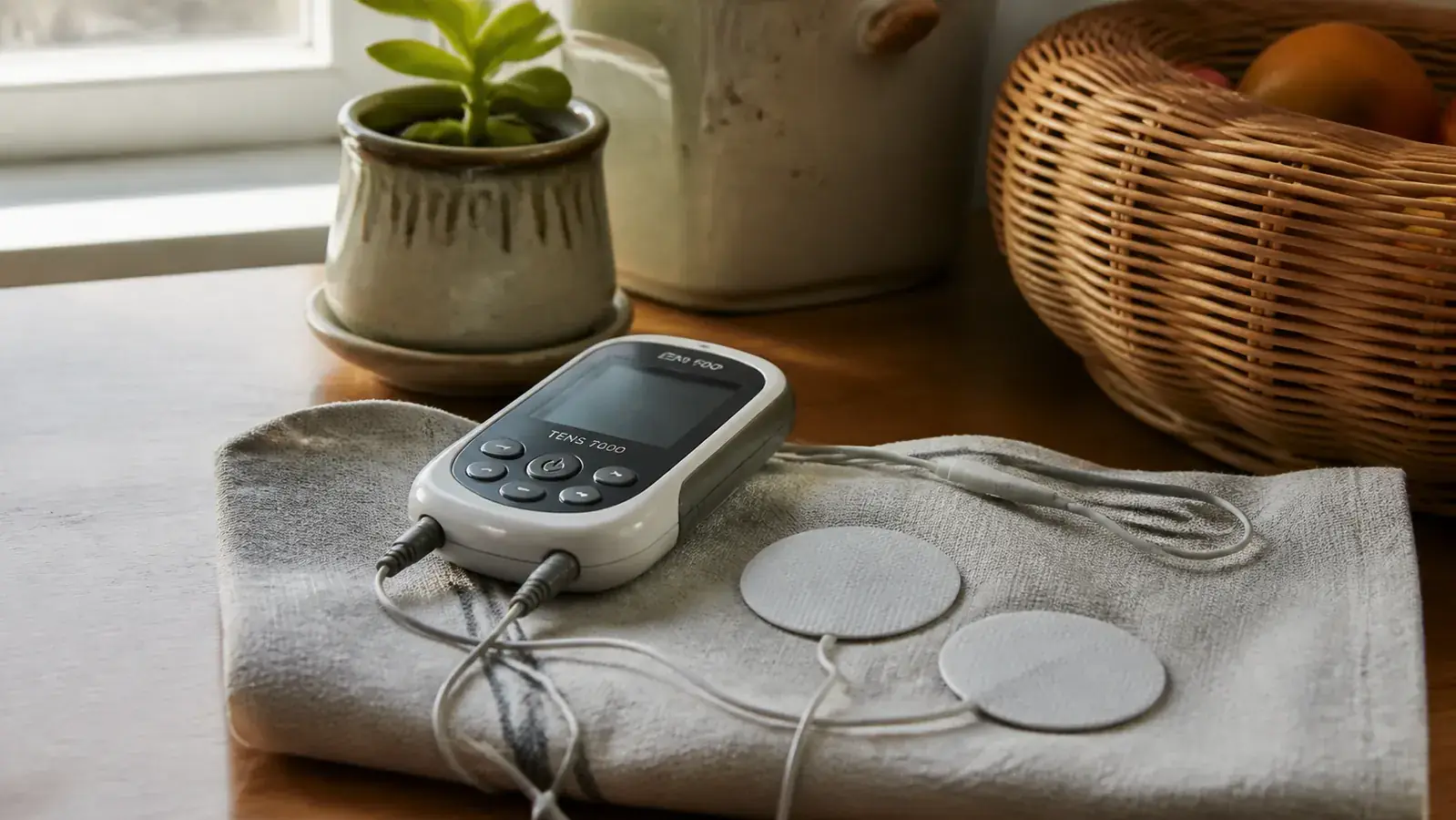
Let me be straight with you before I say anything else. I did not believe a TENS unit would do a thing for me. I am 71, my low back has been a low hum of annoyance for the better part of a decade, and my right shoulder has been screaming on and off since a bad fall on the ice back in 2021. I had tried the heating pad, the rub-on creams that smell like a dentist's office, the stretches the physical therapist wrote down on a card I promptly lost. When my daughter Katie handed me a small AUVON box with wires and said it would help, I smiled and thanked her the way you thank someone for a fruitcake you know you will not eat.
That fruitcake sat in its Amazon box for eleven days before I worked up the nerve to open it. The whole idea of electricity running through my skin made me nervous, and honestly, the word stimulator does not exactly sound cozy. But my back had been worse than usual all week, the kind of dull, grinding ache that follows you from the coffee pot to the recliner, and I finally thought, what have I got to lose. I am glad I did, because today I reach for it most evenings the way I reach for my reading glasses. But I also want to tell you the parts that surprised me, the parts that did not work, and the mistakes I made at the start, because nobody told me those and I think you should hear them.
The Quick Verdict
A genuinely useful, affordable tool that takes the edge off everyday muscle aches, but you have to be patient with pad placement and it will not fix a herniated disc or magically undo years of strain.
Amazon Check Today's Price →The Small Device I Reach for Before the Pill Bottle
If you are tired of aching through your evenings and want a drug-free option you can use right at home, this is the one I keep coming back to.
Amazon Check Today's Price on Amazon →How I've Used It
I should start by describing what a TENS unit even is, because I had no idea until Katie made me sit still long enough to explain it. TENS stands for transcutaneous electrical nerve stimulation. It sends tiny, gentle electrical pulses through sticky gel pads on your skin. The pulses do not heal anything, as far as anyone has clearly shown me in plain language. What they appear to do is block or crowd out some of the pain signals on their way to your brain, kind of like turning down the volume on a radio that has been playing too loud. It is the same idea behind how a good deep massage or vigorous rubbing can take your mind off an ache, just more targeted and steadier.
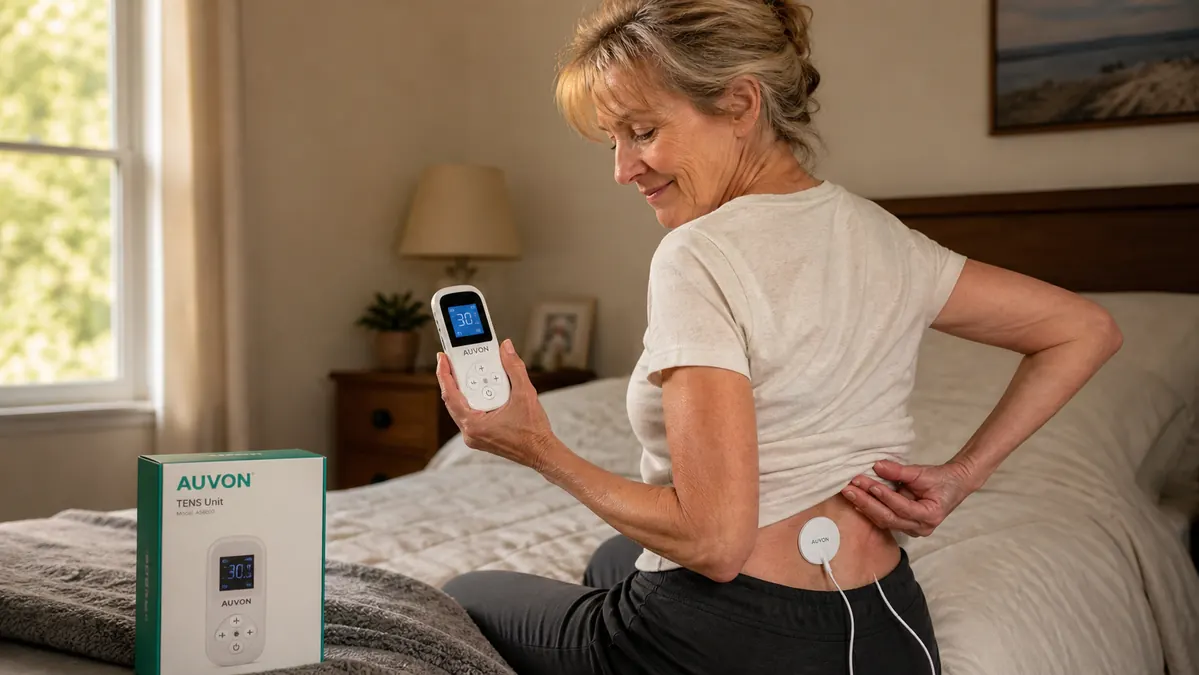
I use it in the evenings, usually around seven o'clock, after dinner and after I have been sitting in the recliner long enough that my back starts to complain about the whole arrangement. I find a chair with my back exposed, or I just tuck the top of my shirt down a few inches, and I place two gel pads on either side of the sore spot on my low back. The pads stick to the skin with a mild adhesive, not painful, a little like a bandage that wants a different job. I clip the little AUVON unit to my waistband, turn it on, and start at the lowest setting, then nudge it up slowly until I can feel a strong but comfortable tingling. Twenty minutes later I switch it off, peel the pads off, and notice that the sharp edge of the ache has softened. Some nights I barely think about my back again until morning.
It took me about a week to stop treating it like a strange electric toy and start treating it like a routine. I keep the AUVON on a shelf in the living room next to my crossword book, charged and ready, the pads on their little plastic tray so they are not just wadded in a drawer losing their stick. I use it for my low back most nights, my right shoulder a few times a week, and my left knee on the days the stairs decide to be unkind. Twenty minutes is usually plenty. Some nights I go shorter if the pads have been on all afternoon. It has become as normal as turning on the lamp.
The Placement Learning Curve Nobody Warns Me About
Here is the part I wish someone had told me before I tried it the first time, because I almost gave up on day two. Where you put the pads matters more than how high you turn the power, and the spot that works is rarely where you think it should be. I made the beginner mistake of slapping both pads right on top of the exact point that hurt the most. That feels logical, but it gave me a much weaker result. The pads need to sit on either side of the sore area so the current runs across it, or along the muscle rather than dead center on the worst knot.
For my low back, I finally found that placing one pad about two inches to the left of my spine and one pad two inches to the right, just above the belt line, works far better than putting both pads kiss-close to the pain. For my shoulder, I slide one pad toward my neck and one lower on the shoulder blade. There is a little card in the box and a guide in the app that shows suggested spots, and I will admit I rolled my eyes at first and thought I did not need the help. I did. Once I swallowed my pride and followed the pictures, the unit went from a mild distraction to something that genuinely took the edge off.
The other thing nobody told me is that you should not start the current with both pads already pressed flat and expect it to feel even. If one pad is not sticking well, or a corner has lifted, the tingling will feel sharp and uneven in one spot and barely there in the next. I spent my first few sessions fiddling with the adhesive like it was my fault, peeling pads and reapplying, impatient with the whole business. It is worth checking that both pads have full, flat contact before you turn it up. Once I started doing that, the sensation smoothed right out and the whole experience got much less finicky.
Where the pads go matters more than how high you turn the power, and the spot that works is rarely the spot that hurts the most.
What It Actually Did for My Evenings
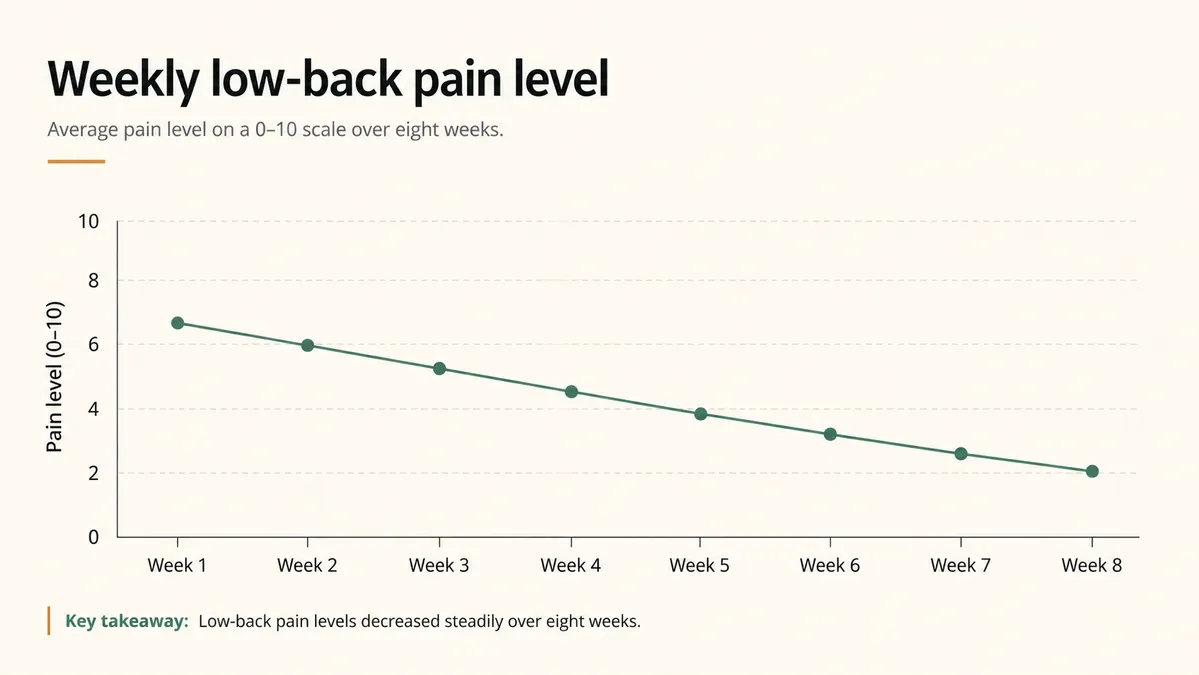
The most honest thing I can tell you is what changed, and what did not. What changed is the everyday hum. Before, my back had a way of making every sitting activity a small negotiation, shifting in the chair, bracing against the armrest, finding the one position that hurt the least and then guarding it like it owed me money. Since I started using the unit most evenings, that constant low-grade soundtrack has quieted down. I do not want to oversell it and say I forgot my back exists. I did not. But the edge is off, and a lot of my evenings now pass without me thinking about my spine at all. That is a real, measurable shift in my quality of life, and nothing over-the-counter I had tried before gave me that.
What it did not do is worth saying too. It did not fix the underlying problem. My low back still aches on the mornings after I have overdone it in the garden, and my shoulder still complains when I reach too far for the high shelf. This is not a cure and the box does not try to sell it as one. It is a way to take the sharp edge off while you go about your day, and for me that is more than enough. I have also learned that it works best as a regular routine rather than an emergency rescue. Using it nightly, even on the good nights, seems to keep the hum down in a way that only reaching for it when I already hurt never did.
There is one more honest note about expectations. The relief does not always outlast the session by a huge margin. Sometimes I finish twenty minutes and the calm lingers for hours. Other nights the ache creeps back within an hour, especially if I have been sitting badly or hunched over a jigsaw puzzle. I have not found a way to predict which night it will be. What I have found is that a regular session most evenings keeps the bad nights from stacking up, and that is the pattern that has made it earn a permanent spot on my shelf.
The Controls, the Pads, and the Little Annoyances
Let me talk about the machine itself, because there are things I like and things that would drive a certain kind of person up the wall. The unit is small, about the size of a deck of cards, and rechargeable, which I appreciate because I do not want to be buying batteries every few weeks. The screen is easy to read without my glasses, which is not something I can say for a lot of gadgets. There are a full twenty-four modes on this particular AUVON unit, and I counted them once out of curiosity, and I will be honest that I use maybe three of them. The other twenty-one are variations on a theme that I do not have the patience or the need to explore. If you are the type who likes to fiddle and find the perfect custom pulse, you will love it. If you just want to press a button and feel better, the extra modes read as clutter.
The pads are where the practical annoyances live. They come in a set of eight on the tray, which is good, because they do not last forever. Each pad is good for maybe fifteen to twenty uses before the sticky wears off and they stop gripping your skin the way they should. Once that happens the contact gets uneven and weak, so you replace it with a fresh one from the tray. That is a small recurring cost and I would rather know about it up front than be surprised three weeks in, because I was. If you put the pads back on their plastic sheet between uses and keep them out of direct sunlight, they last a good while longer. I learned that the hard way after I left a set out on the kitchen counter once and they were cooked by the afternoon sun.
The other small complaint is the wires. The unit has two thin lead wires that run from the device to the pads, and they are a little delicate. I am not clumsy with it, but I have snagged the cord on a chair arm once or twice while getting up and had to double-check I had not pulled the connection loose. It has held up fine, and the connections are snug enough that they do not come apart on their own, but I do wish the cord were just a bit more robust for a device aimed at people who are not always the steadiest on their feet. It has never broken on me in several months, so I will call it a minor note rather than a real problem.
What I Liked
- Genuinely took the sharp edge off my low back and shoulder pain on most evenings
- Small, rechargeable, and the controls are easy to read without my glasses
- Twenty-minute sessions are simple to fit into a routine right at home
- Drug-free option that gave me an evening I did not spend bracing against my back
- Comes with eight pads and an app with placement guides I actually ended up needing
Where It Falls Short
- Placement is a real learning curve; the first few sessions were frustrating until I found the right spots
- Pads wear out after fifteen or twenty uses and need regular replacing
- Twenty-four modes is more than most people will ever use, and the extra ones just feel like clutter
- Two thin wires can snag if you are not careful getting up
- Does not fix the underlying problem, and relief does not always outlast the session by much
Who This Is For
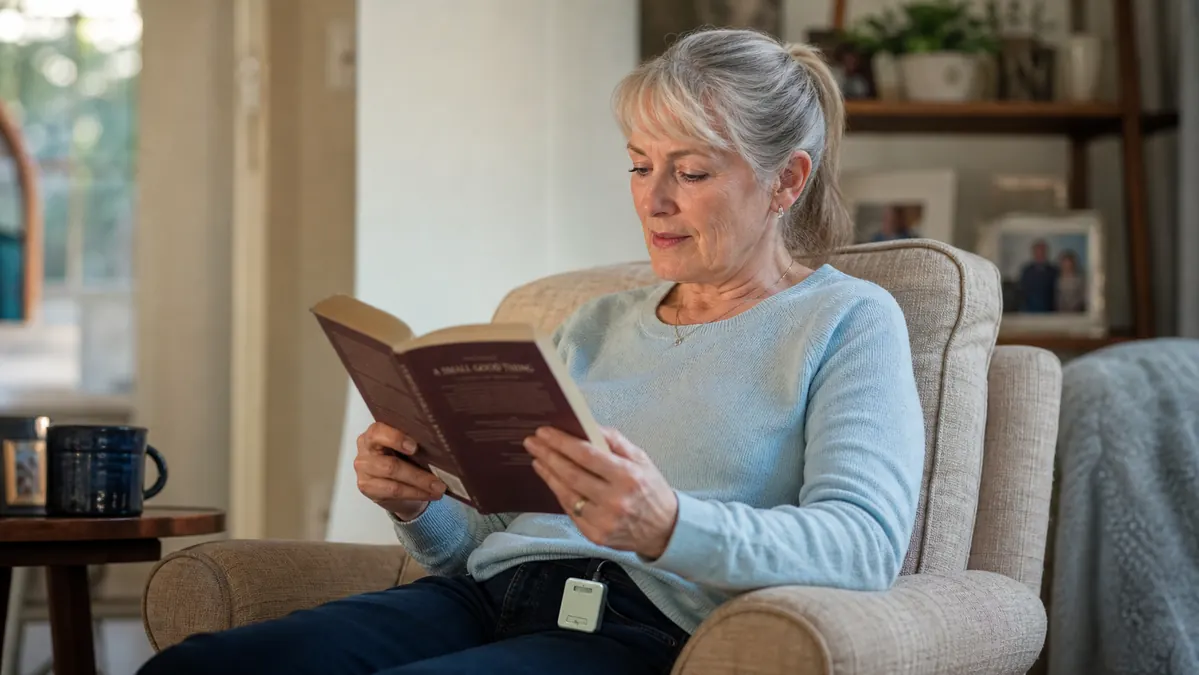
This is for exactly the person I was a few months ago, someone with everyday muscle aches and stiffness who is tired of living with them but wary of piling on more pills. If your low back aches by evening, if your shoulders tighten after sitting, if a bad knee complains on the stairs, and if the idea of an electricity-based gadget makes you pause but not slam the door, this is worth a patient try. It is also for anyone who likes the hearing of drug-free options, because for the low, steady achiness of everyday life, it gave me the relief the ointments and the heat never quite did. If you are willing to spend a week or two learning where the pads want to go, the payoff is a tool you can reach for any evening for years.
Who Should Skip It
You should skip it, and I mean genuinely skip it, if you have a pacemaker or another implanted electrical device, because this is not a toy and the warnings about that are not there to be dramatic. You should also pass if you are looking for something that will fix an actual injury, a herniated disc, a torn muscle, a pinched nerve, because a TENS unit does not repair anything and relying on it alone to mask a serious problem could keep you from the doctor visit you actually need. If you expect immediate relief with no learning curve, or if you hate the feeling of any vibration or tingling on your skin, this will frustrate you more than it helps. And if you are on the fence because you want a set-it-and-forget-it cure, save the money. This is a companion, not a cure, and knowing that before you buy is the most honest advice I can give.
Worth a Patient Try, Without the Pill Bottle
If everyday aches are wearing you down and you want a drug-free option you can use in your own living room, this is the one I keep reaching for. Give it a real two-week try and see if your evenings feel lighter.
Amazon Check Today's Price on Amazon →