
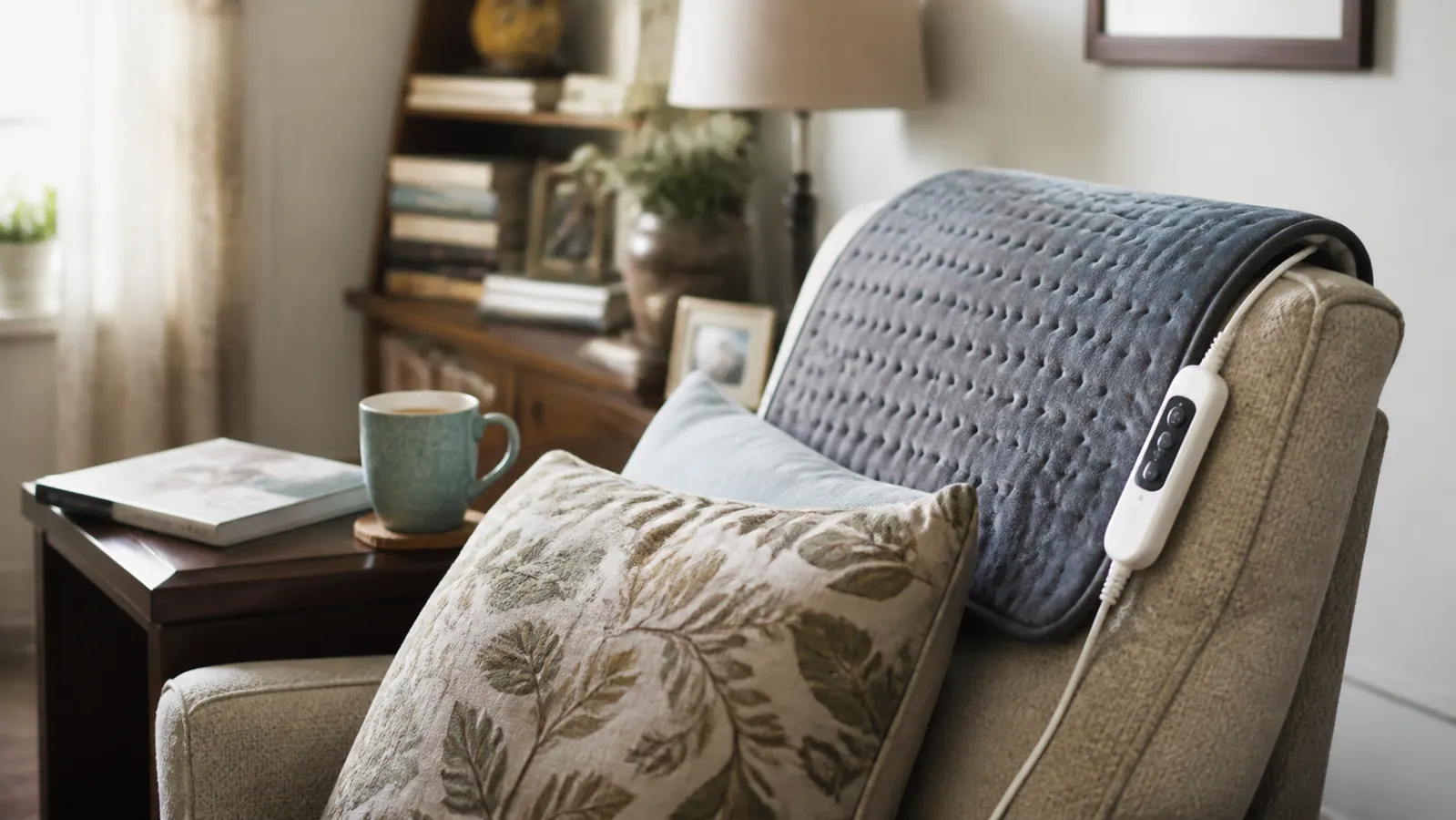
I kept both of these in my house all through a long, damp winter, and I used each one at different moments for months on end. You would think they do the same job, just warming up a sore joint. They do not, and learning the difference changed how I handle my stiff lower back and that knotted shoulder I wake up with most mornings. Let me give you the honest version up front so you are not left guessing the way I was, standing in my kitchen trying to decide which one to grab.
The short answer is this. For everyday, hands-free, set-it-and-forget-it warmth on a stiff lower back, the GENIANI electric heating pad wins, and it is the one I reach for most nights by a wide margin. For a deep, penetrating warmth that really soaks into a tight muscle, especially a shoulder or the base of the neck, a moist heat pack goes deeper, and there are mornings when that wet heat is the only thing that takes the edge off. They are not competing for the same job, and that is the whole point of this page. You want to know which one you actually need, so here is the entire honest story from someone who lived with both.
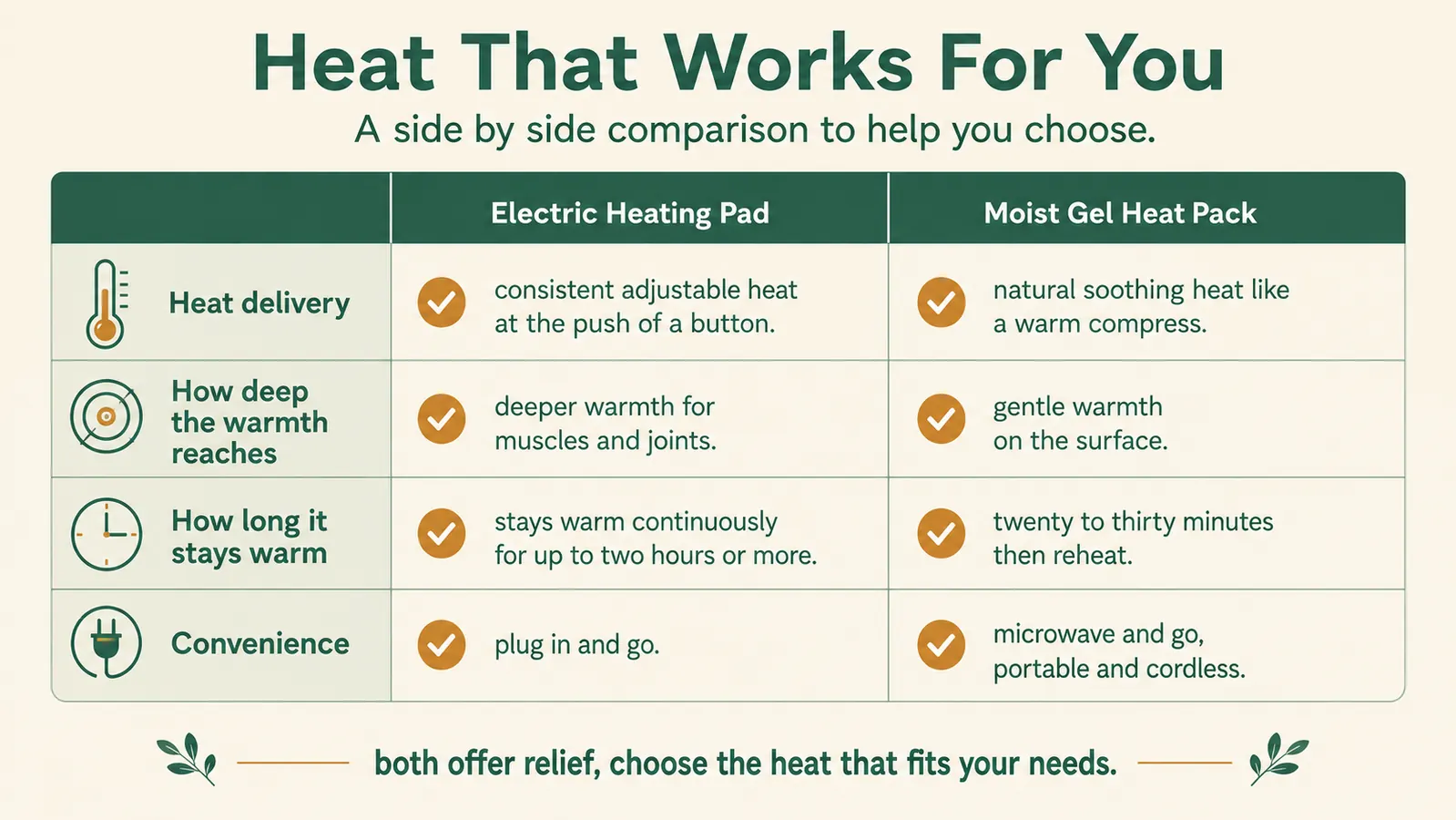
| Heating Pad | Moist Heat Pack | |
|---|---|---|
| How Heat Is Delivered | Electric element, steady dry heat | Gel pack warmed in the microwave, holds moisture |
| How Deep the Warmth Reaches | Surface-level, steady and even | Moist heat penetrates deeper into muscle |
| How Long It Stays Warm | As long as it stays plugged in | Cools over 20 to 30 minutes, then reheats |
| Control | Heat settings and auto shut-off on the controller | No settings, just how hot you get it in the microwave |
| Power Source | Plug into a wall outlet | No cord at all, just the microwave |
| Portability | Stays near an outlet | Cordless, drapes around neck, travels well |
| Cleaning | Machine-washable pad | Wipe-down cover, pack itself not washable |
| Best For | Daily lower back and joint warmth at home | A stubborn shoulder or neck that needs deep penetration |
For the Nights You Just Want Steady, Hands-Free Warmth
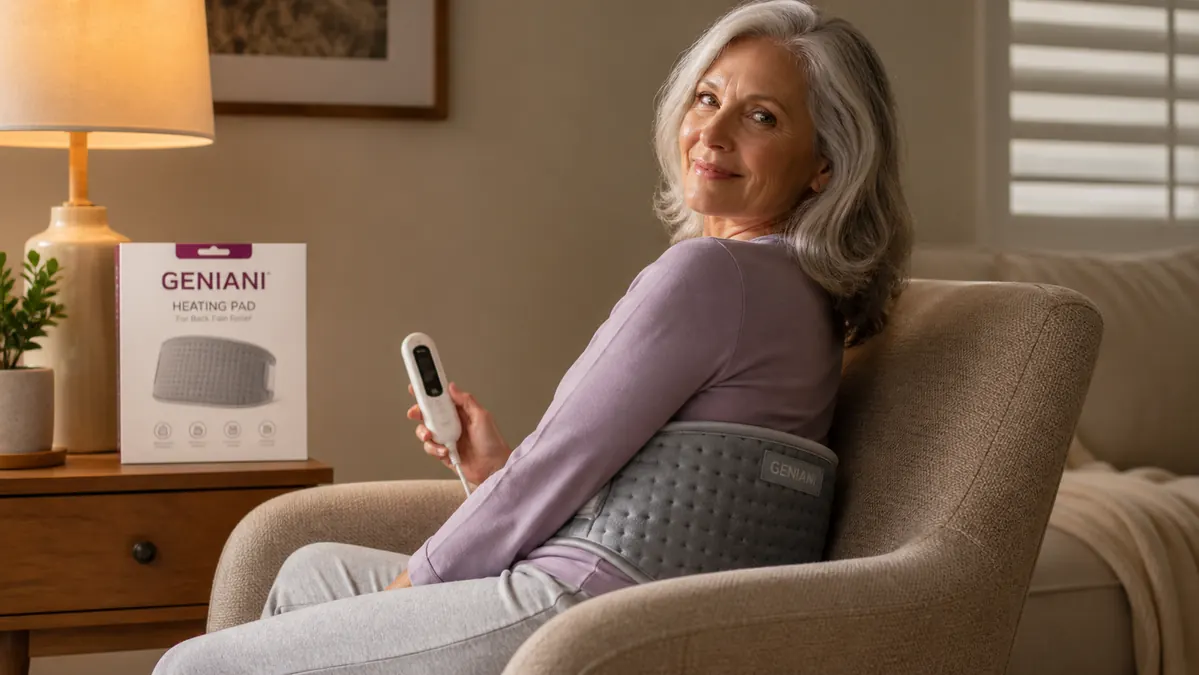
The GENIANI electric pad sits on my chair, plugs into the wall, and stays at one even warmth for as long as I need it. It is the tool I reach for almost every evening.
Amazon Check Today's Price on Amazon →Where the Electric Heating Pad Wins
The biggest win for me is that I do not have to think about it. With the GENIANI electric pad I lay it across my lower back, pick a setting on the little controller, and it holds that same warmth for an hour while I sit and watch the six o'clock news. It does not cool off after twenty minutes the way a pack does, so I am not up and down to the microwave every half hour. For a body that aches mainly in the evening, that steady, constant heat is exactly what I want, and it is the reason this pad ended up living on my chair full time rather than being put away in a drawer.
The even coverage matters more than I expected it to. This one is twelve by twenty-four inches, which is just about the size of my low back, and the heating element spreads out so I do not get one scorching strip down the middle and nothing else. The little controller has a timer and an automatic shut-off, which puts my mind at ease because I have nodded off in that chair more times than I care to admit. There is real safety in knowing it will not just stay on all night, and for someone who lives alone that is a comfort I did not expect to appreciate this much.
It is also kinder to my skin than I worried it would be. The cover is soft, not scratchy, and because I can control the exact heat level I never feel that biting, too-hot sensation that makes you yank a pack off after thirty seconds. On the lowest settings it is more like a warm hug than a burn. And when the pad needs a clean, the whole thing is machine washable, which is more than I can say for the gel pack. That ease of care probably sounds minor, but it is the difference between keeping a tool in rotation and letting it sit in a closet collecting dust.
There is a comfort to having it already set up too, and I think that is the part people overlook. Some evenings I am so stiff I can barely get my socks off, and the last thing I want to do is stand at a microwave timing a pack and praying I do not burn myself. With the pad I just lean back and plug it in, and the warmth builds without any effort on my part. It has held up through a whole winter of near nightly use, and you can read about how it does over months of regular use in my long term electric heating pad review.
The electric pad was the one already on my chair, waiting for me. On the nights I needed warmth fast, that is what got used.
Where the Moist Heat Pack Wins
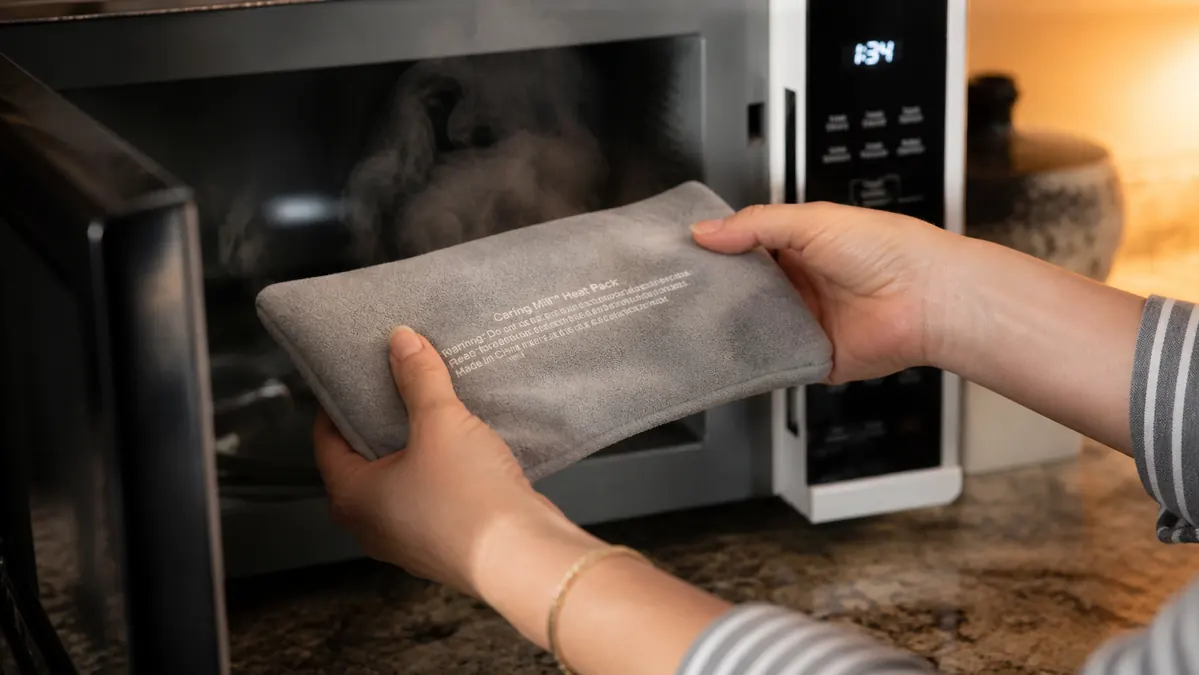
I have to be honest here, because it is the reason I keep both around instead of tossing one. When a muscle is truly tight, the kind of tight that has felt like a knot for days, the moist heat goes deeper. There is a damp, penetrating quality to it that dry heat simply does not match. On the mornings when my shoulder seizes up overnight, I heat a gel pack for two minutes in the microwave, drape it over the joint, and I can feel the warmth working further into the muscle than the dry pad ever seems to reach. It is not in my head, and anyone who lives with a stiff neck will tell you the same thing.
The wet heat also feels different, and in a good way. It is heavier and softer against the skin, and it hugs the shape of a shoulder or the curve of the neck far better than a flat pad ever can. I find it oddly soothing, the same way a damp, warm towel feels after a long day or a hot shower settles you right down. And because the pack has no cord at all, I can wrap it around my neck and still wander into the kitchen to put the kettle on, or carry it to the couch without hunting for an outlet. On a really stubborn joint, that deeper penetration is the whole reason to choose a moist pack over the pad.
The tradeoff is timing, and it is a real one. A pack only stays properly warm for twenty to thirty minutes, then I am right back at the microwave reheating it. That is fine for a focused session on one spot, but it is not the tool for an hour of idle warmth while you read. I also have to be careful not to overheat it, because a pack that comes out too hot can be a genuine problem on delicate older skin. So I have settled into using the moist pack deliberately, for one tight spot at a time, and saving the electric pad for the long, steady evenings when I just want to unwind.
What I Learned From Keeping Both
The most useful thing I can tell you is that these are two halves of the same habit. Heat works on stiffness and soreness by encouraging your muscles to relax and increasing the blood flow to the area, and both of these tools do that. But they do it at different speeds and in different ways. The pad is better at covering a big area and holding a steady warmth over time, which makes it the right choice for a general, ongoing ache. The pack is better at delivering a concentrated, deep blast of heat to one specific spot that is really giving you trouble.
So a lot of evenings I use them together, in a way I never expected. I warm up my shoulder with the moist pack first, while the pad warms the bed of my armchair, and then I settle in with the pad for the rest of the evening. That combination covers me for both the deep morning knots and the low, nagging ache that builds through the day. If you are trying to decide between the two, I would not tell you to pick one and ignore the other forever. I would tell you to let your own body and its worst moment of the day be the guide.
A Few Safety Notes Worth Knowing
Whichever one you lean toward, a little care goes a long way. Do not fall asleep on a heating pad at full blast, and do not leave one on high for hours at a time, because even quality gear needs a break to protect your skin. Use the lowest setting that still feels good, and always place a thin cloth or the cover that came with it between the heat and your bare skin. The same goes for a moist pack fresh out of the microwave: give it a minute to settle so the temperature evens out before you press it against your shoulder, because the outside can be hotter than the middle.
And please check with your doctor before adding heat to any area that is already swollen, red, or freshly injured, because heat is not right for every situation and there are conditions where cold is the better call. My own physio walked me through when to reach for each, and having that conversation saved me from doing the wrong thing on a bad day. None of this is complicated, and it is exactly the kind of practical common sense that keeps a simple tool like this a safe and welcome part of your evening routine rather than a worry.
Who Should Buy Which
If your stiffness is mostly in your lower back, happens most evenings, and you want something you can set and forget while you relax, the electric heating pad is the honest choice. It is steady, hands-free, machine washable, and it does not demand that you get up every half hour to reheat it. If your problem is a single stubborn shoulder or neck that knots up, and you want deep, penetrating warmth right now with no cord in the way, a moist heat pack is the better tool for that moment. Most people, and I include myself squarely in this group, end up using the electric pad daily and reaching for the moist pack only on the hard mornings. You can get the full no-sugar account of living with the pad in my honest electric heating pad review.
What a Typical Evening Looks Like With Each
To show the difference in practice, let me walk you through a normal stiff evening in my house. On an ordinary night my lower back is the problem, that familiar low ache that builds after a day of puttering and sitting. I reach for the electric pad, plug it in beside my chair, lay it across my lower back, and pick a middle setting. I sit there with the television on for twenty or thirty minutes, and I do not move. The warmth stays even the whole time, and when I finally get up to go to bed my back is loose enough that the trip down the hall is not the careful shuffle it might have been.
On a stubborn morning, the routine is different. If my left shoulder seized up overnight, I do not want broad, steady warmth, I want heat right into the knot. I heat a moist gel pack for two minutes, wrap it in a thin tea towel so it does not burn my skin, and drape it right across the shoulder. The damp heat presses into the muscle in a way the flat pad never does, and ten minutes of that usually softens it enough that I can reach the kitchen cupboards again. I reheat it once if I need more time. It is a short, focused effort rather than a long, relaxed one, but it targets what actually hurts.
That is the honest difference in a nutshell. One is a broad, patient comfort you can set and ignore while it works. The other is a targeted, deep heat you give your full attention to for a short stretch. Neither is better in every moment, which is exactly why a person who deals with both kinds of stiffness ends up keeping both close at hand instead of committing to one for good. If your aches are mostly one kind, let that be your guide; if they are both, you now know why the drawer holds two of them.
For Everyday, Steady Warmth, the Pad Is the Workhorse
The GENIANI sits ready, holds an even heat all evening, and shuts itself off if you drift off. For daily stiff-joint comfort at home, it is the one that earns its place on my chair.
Amazon Check Today's Price on Amazon →